Dodoni Philanthropic Society of Epirots
Preserving our culture, strengthening our community, and investing in our youth.
Who we are
Dodoni is a proud and longstanding community organisation dedicated to preserving and celebrating the rich cultural heritage of Epirus in Melbourne, Australia.
For generations, our Society has brought people together through tradition, music, dance, and shared values, creating a place where heritage is honoured, and community thrives. Today, Dodoni continues to play an important role in connecting families, supporting cultural expression, and fostering a strong sense of identity for both current and future generations.
Our focus is to preserve our culture, strengthen our community & invest in our youth.
Whether through cultural events, our growing youth dancing group, or the ongoing care of our community hall, Dodoni remains committed to keeping our traditions alive and meaningful in a modern Australian context. We welcome you to be part of our community.
Youth Dance Group
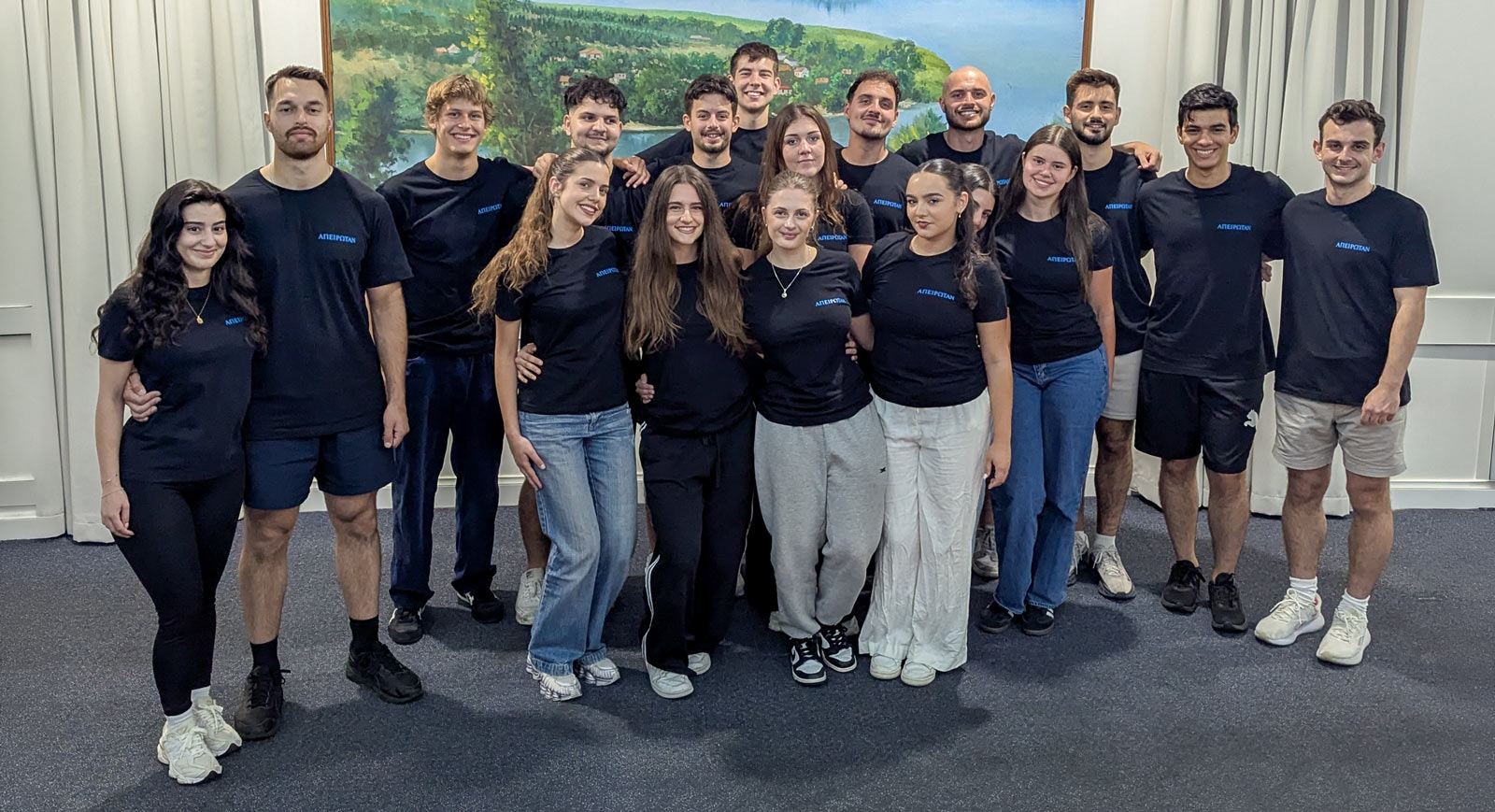
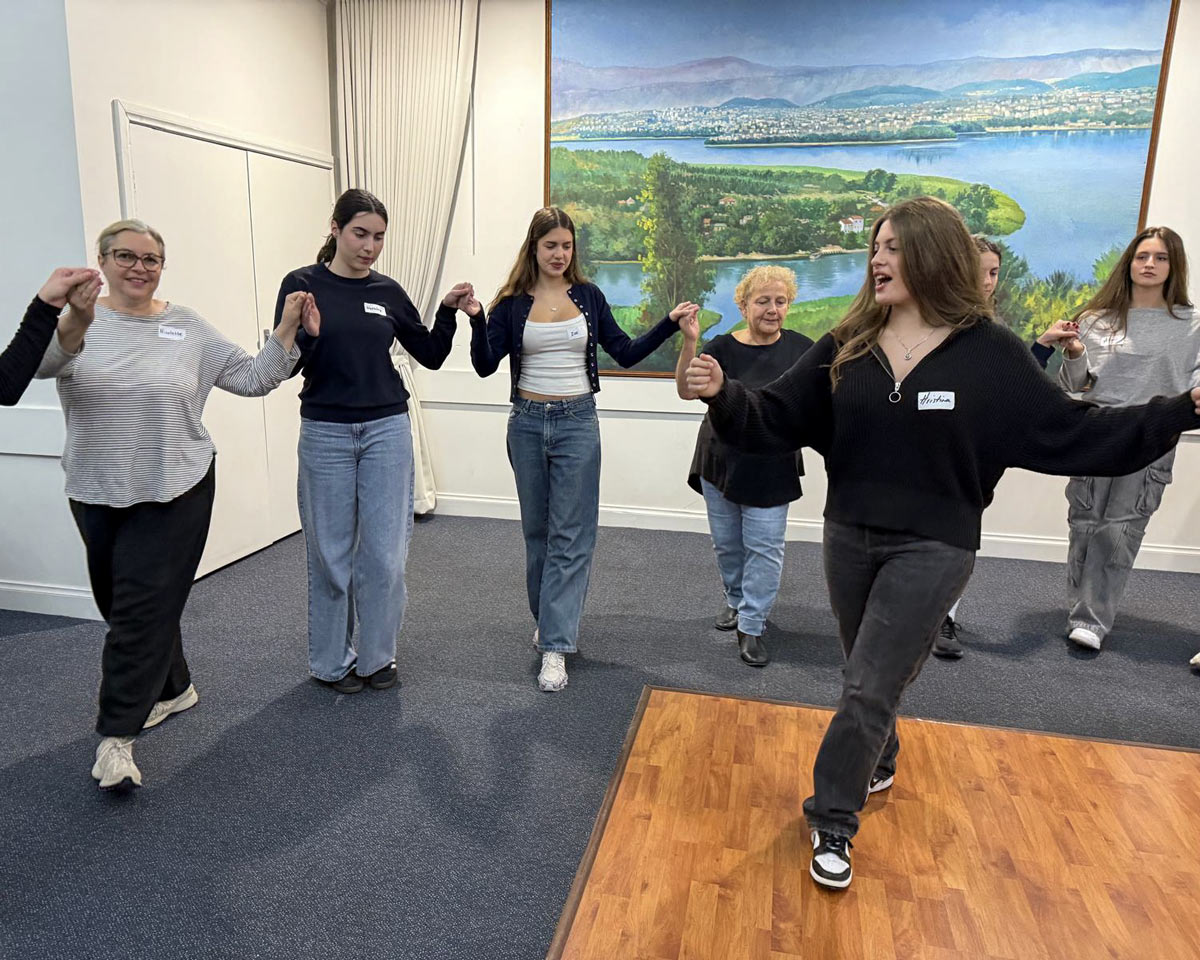
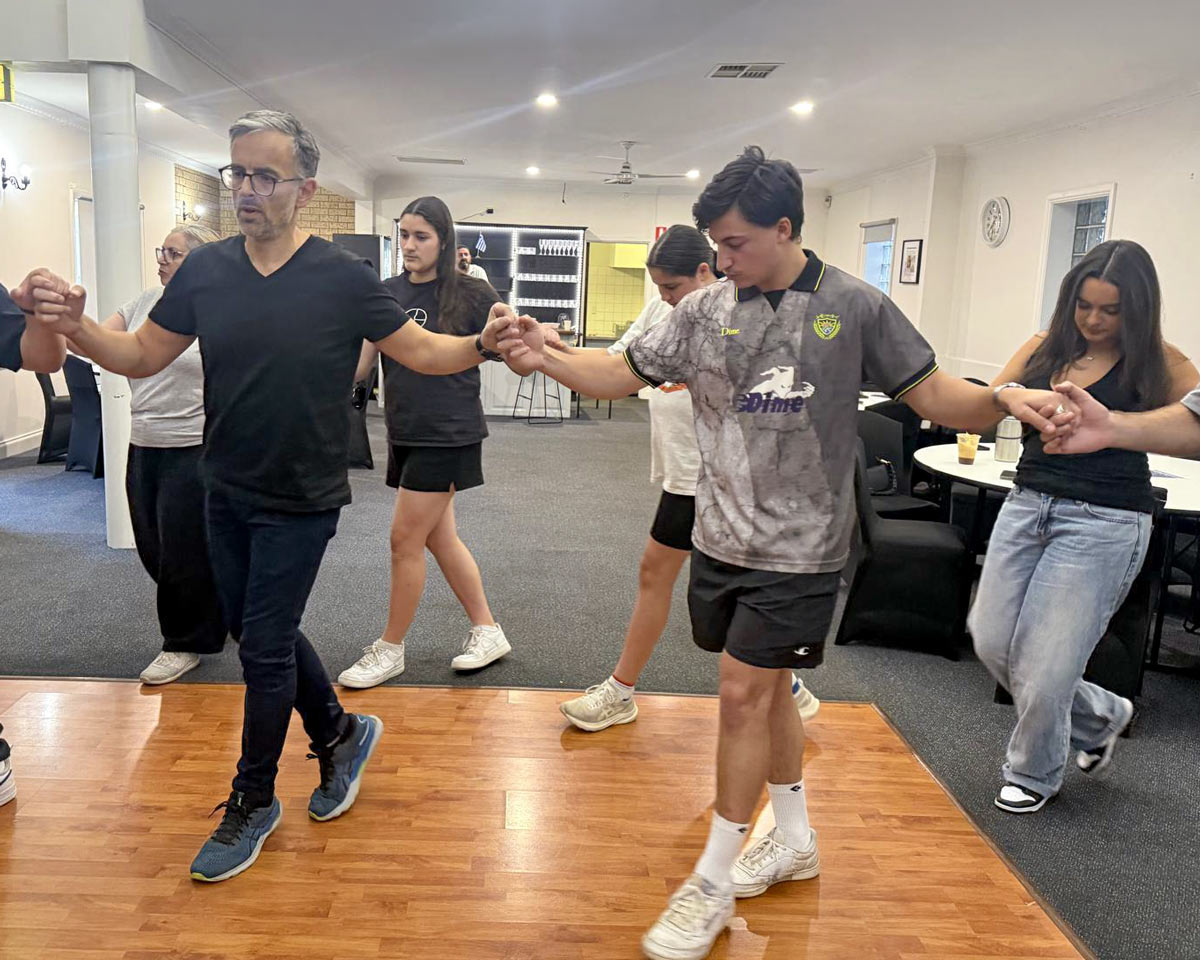
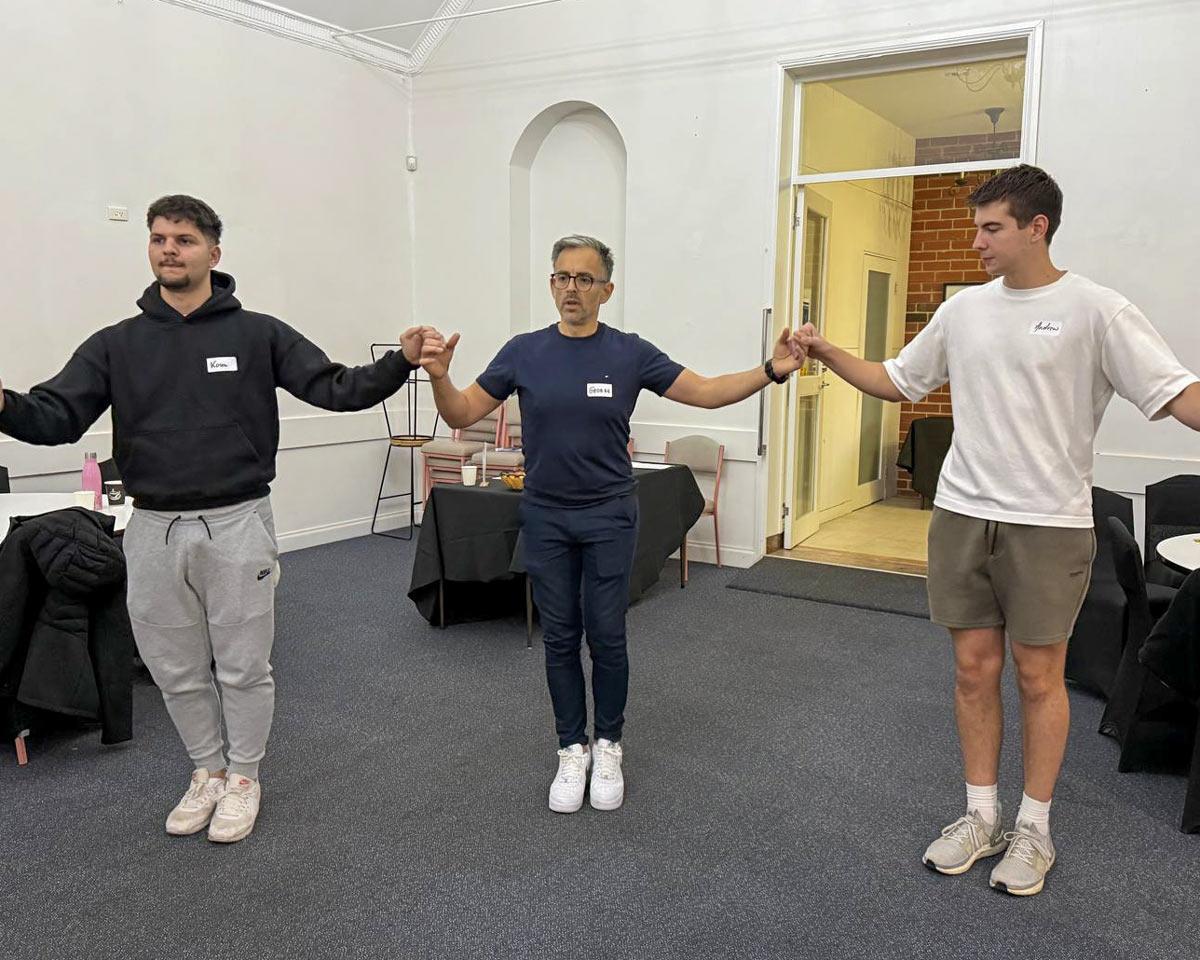
Our Youth Dancing Group is at the heart of Dodoni’s future. More than just dance, this initiative is about connection, connecting young people to their heritage, to each other, and to the traditions that define our culture. Through traditional Epirotic dance, participants develop:
A strong sense of cultural identity
Confidence and pride in their heritage
Teamwork, discipline, and commitment
A connection to community and tradition
Our Aspirations
We are building a program that will:
- Teach authentic Epirotic dances with respect and accuracy
- Provide high-quality instruction and choreography
- Support participation in community festivals and national events
- Create performance opportunities that showcase our culture
- Grow into a sustainable, long-term cultural program
Looking Ahead
With the right support, our vision is to establish Dodoni as a leading Epirotic cultural group in Australia, with a strong youth presence and ongoing contribution to the broader Greek community.
We aim to create an environment where young people feel proud to represent Epirus, not just today, but into the future.
Our Story
Dodoni was established to bring together the Epirotic community in Melbourne, creating a home away from home for those with roots in Epirus. Like many community organisations, Dodoni has evolved over time.
What began as a place for first-generation migrants to connect has grown into a multi-generational community, where traditions are passed down, adapted, and kept alive in new ways.
Where We Are Today
Today, Dodoni is focused on renewal, growth, and long-term sustainability. Our current committee is committed to:
- Re-engaging the community
- Strengthening cultural programs
- Activating the hall as a vibrant community space
- Building connections across generations
Our Focus Now
A key priority is investing in the next generation through cultural initiatives, particularly our Youth Dancing Group, which plays a central role in preserving and showcasing our traditions.
We are also focused on maintaining and improving our facilities, ensuring that Dodoni remains a welcoming and functional space for events, celebrations, and community life.
Dodoni continues to honour its past while actively building its future.
The Dodoni Region of Epirus
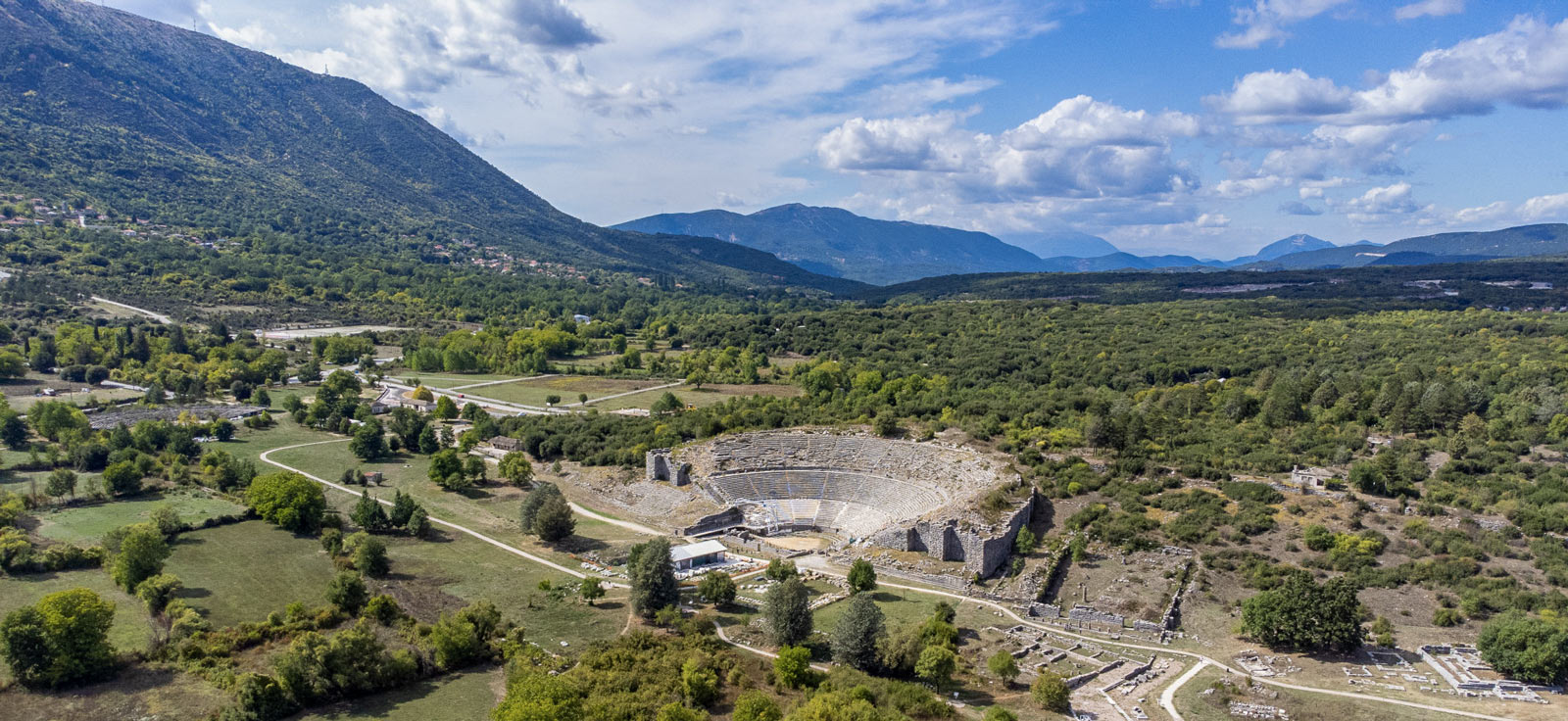


Dodoni lies in Epirus, a mountainous and fertile region in north‑western Greece, south of modern Ioannina. In antiquity, Epirus was considered remote compared with southern Greece, yet it held immense religious importance and later significant political power.
Geography and Setting
Dodoni is situated in a high inland basin surrounded by mountains. The area is known for oak forests, springs, and wide plains—features essential to its religious character. The quiet, windswept landscape strongly influenced how worship was practised there.
Cultural & Historical Context
Epirus was inhabited by Greek tribes known collectively as the Molossians, among whom the royal Aeacid dynasty rose to prominence.
The region retained many archaic religious traditions, making it especially important for early Greek cult practice.
Although politically peripheral at first, Epirus gained power during the 4th–3rd centuries BCE, particularly under King Pyrrhus of Epirus.
Dodoni as a Sacred Site
Dodoni is best known as the home of the Oracle of Zeus, regarded as the oldest oracle in Greece, predating Delphi.
.
The Oracle of Zeus at Dedona
- The oracle was dedicated primarily to Zeus Naios (Zeus of the springs) and Dione, an earth goddess who may predate Olympian Zeus.
- Unlike Delphi, prophecy at Dodona was interpreted through natural phenomena, especially:
- The rustling of leaves from a sacred oak tree
- The sound of bronze cauldrons struck by wind
- Sacred springs in the sanctuary
- Priests (called the Selloi or Helloi) slept on the ground and went barefoot, reflecting the oracle’s ancient, earth‑bound character.
Importance in the Greek World
- People from all over the Greek world—including kings, cities, and individuals—consulted Dodona.
- Thousands of lead tablets found on site preserve real questions asked of the god, giving a rare glimpse into everyday concerns: marriage, farming, trade, health, and religious duties.
The Ancient Theatre of Dodoni
Construction and Date
- The Ancient Theatre of Dodoni was built in the early 3rd century BCE, during the reign of King Pyrrhus I.
- It reflects Epirus’ transformation from a religious hinterland into a Hellenistic power center.
Architectural Features
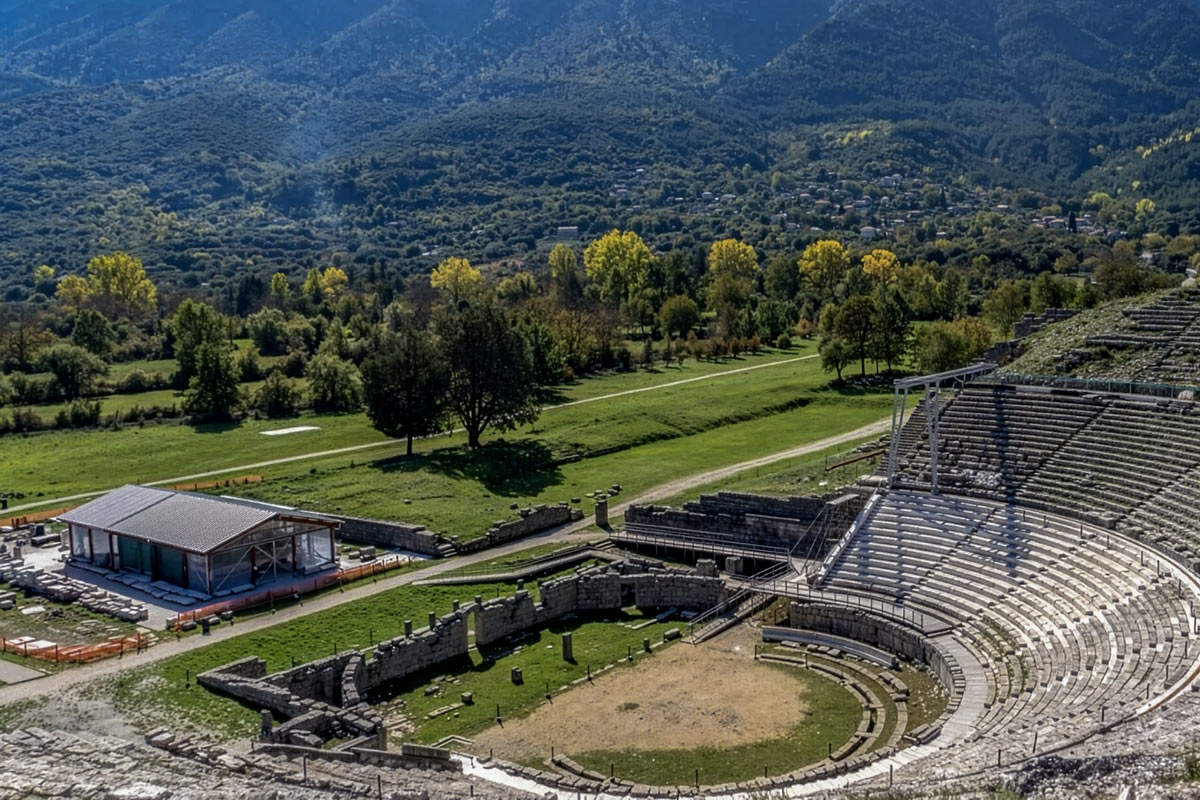
Carved into a natural hillside, the theatre:
- Held approximately 17,000 spectators, making it one of the largest in Greece
- Has a stone cavea (seating area) divided into tiers by stairways
- Includes a circular orchestra and a monumental skene (stage building)
- Its acoustics and scale show that Dodoni was no longer just a sanctuary, but also a civic and cultural hub.
Function
The theatre hosted:
- Theatrical performances
- Religious festivals, especially the Naia, athletic and musical games held in honour of Zeus
- Likely political assemblies, reflecting the federal organisation of the Epirote tribes